Showing 65–80 of 87 results
- Mail: export@liveshealthcare.com
- WhatsApp +91 9536091555

Polycentric Four-Axis Hip Joint
What they do
The purpose of a Prosthetics
The basic purpose of a prosthetic device is to restore the functionality and mobility of a missing limb, making it easier to take part in daily activities, hobbies, work tasks, and more.
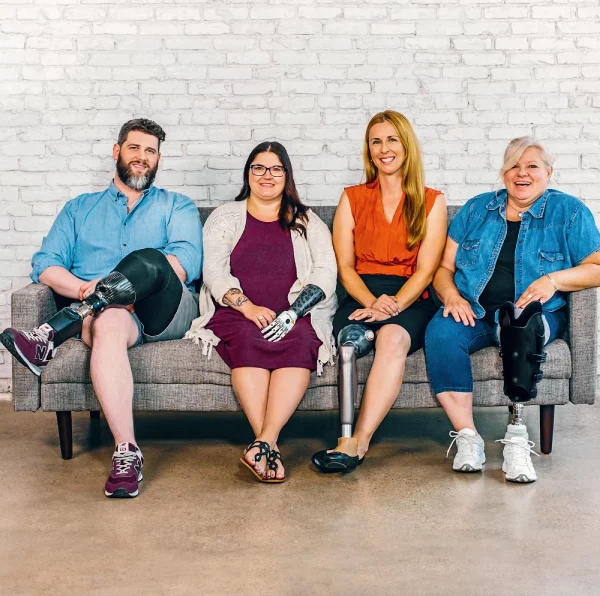
Prostheses can also improve users’ quality of life, empowering them to be as active as they want and are able to be – whether that means moving safely around their house or being a high-performance athlete. For people who have experienced a limb loss, a prosthetic device can also help reduce the emotional impact of an accident or injury.
Who they’re for
Types of Prosthetics
There are many types of Prosthetics, from simple devices like mechanical or body powered evices to complex, high-tech ones that mimic the movement and functionality of a natural limb. Here’s a quick overview of some of the most common prosthetics.
 Lower limb devices
Prosthetic legs
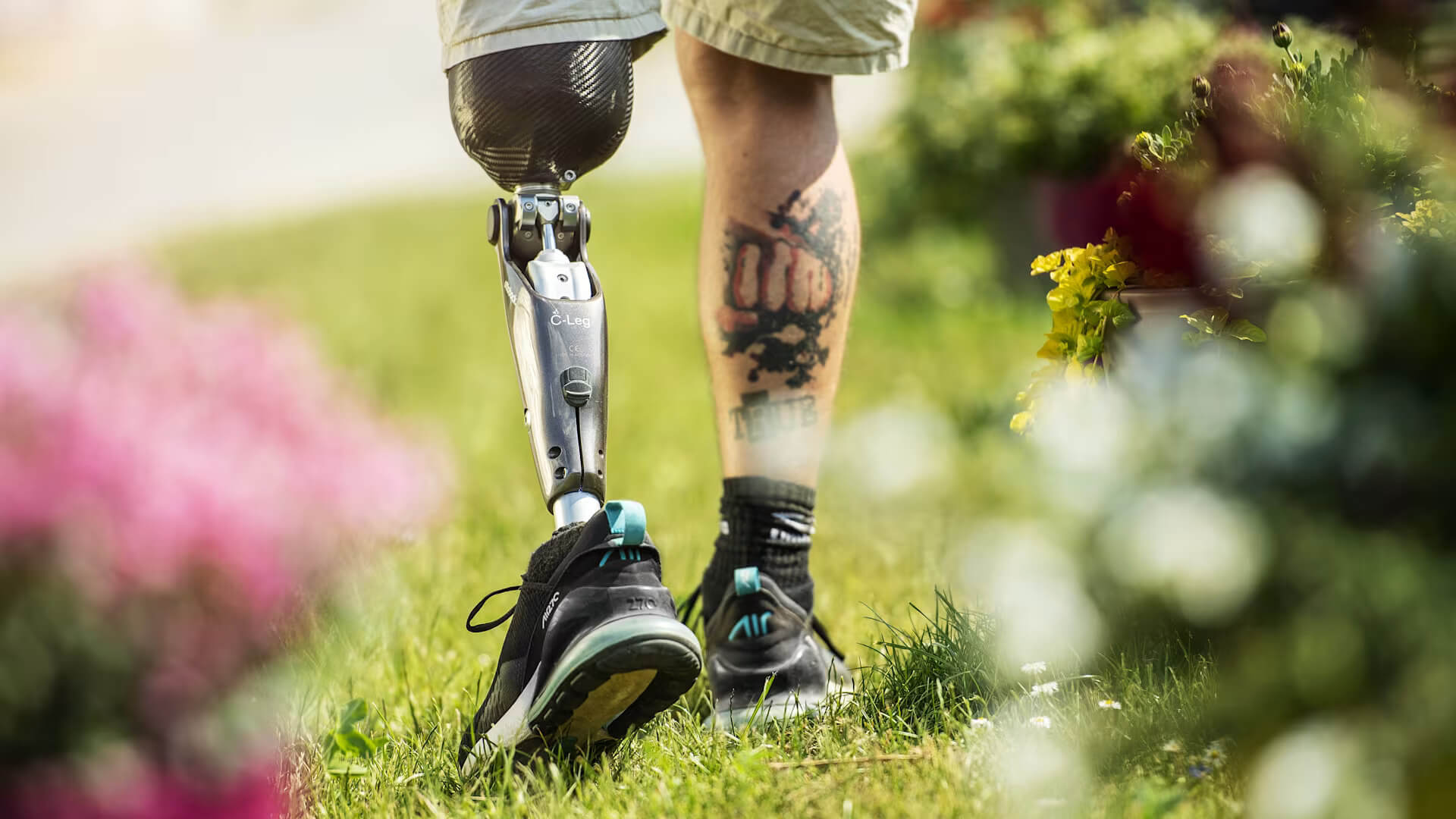
Prosthetic legs are used to replace missing feet, knees, and hips.
Two of the most common types (based on amputation level) are below-knee prostheses and above-knee prostheses. Prosthetic legs are generally often used by people who have lost a foot or leg in an accident or due to a medical condition like diabetes, peripheral artery disease (PAD), or cancer.
Upper limb devices
Prosthetic hands and arms
Prosthetic hands and arms (or "upper limb" prostheses) are used by people who are missing fingers, a hand, or even an entire arm.
These prostheses come in many forms and work in many different ways. They can be a valuable tool for people who have lost part of their hand or arm, as well as for people who were born with a limb difference.
High-performance devices
Prosthetic for athletes
Specialized prosthetics are available for athletes who have experienced limb loss or who have a limb difference. Many of these devices enable their users to compete at the highest levels of their sport. Athletic prostheses are often developed for specific activities, including devices for running, climbing, skiing, snowboarding, and more.
Younger users
Prostheses for kids
Prosthetics build for kids can help children with limb differences play with friends, participate in school sports, and more.
These devices are available for kids of all ages, from infants to teenagers. Typically, prosthetic devices for children are small in size and built from lightweight prosthetic components.
Related Products in Prosthetics


Showing 65–80 of 87 results