Showing 1–16 of 18 results
- Mail: export@liveshealthcare.com
- WhatsApp +91 9536091555

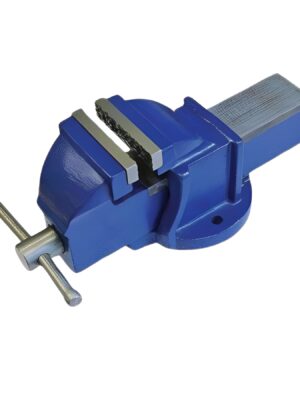
Bench Vice-4″/6″

What they do
The purpose of an orthotics
The basic purpose of an orthotics device is to support, align, and improve the function of an affected body part, making it easier to take part in daily activities, hobbies, work tasks, and more. Orthotics can also improve users’ quality of life, empowering them to be as active as they want and are able to be – whether that means moving safely around their house or being a high-performance athlete. For people experiencing mobility challenges or physical strain, an orthotics device can also reduce pain and help prevent further injury.
Who they’re for
Types of orthotics
There are many types of orthotics, from simple supportive devices like off-the-shelf insoles and splints to complex, custom-molded braces that stabilize joints and correct movement. Here’s a quick overview of some of the most common orthotic solutions.
 Lower limb devices
Orthotic braces & supports
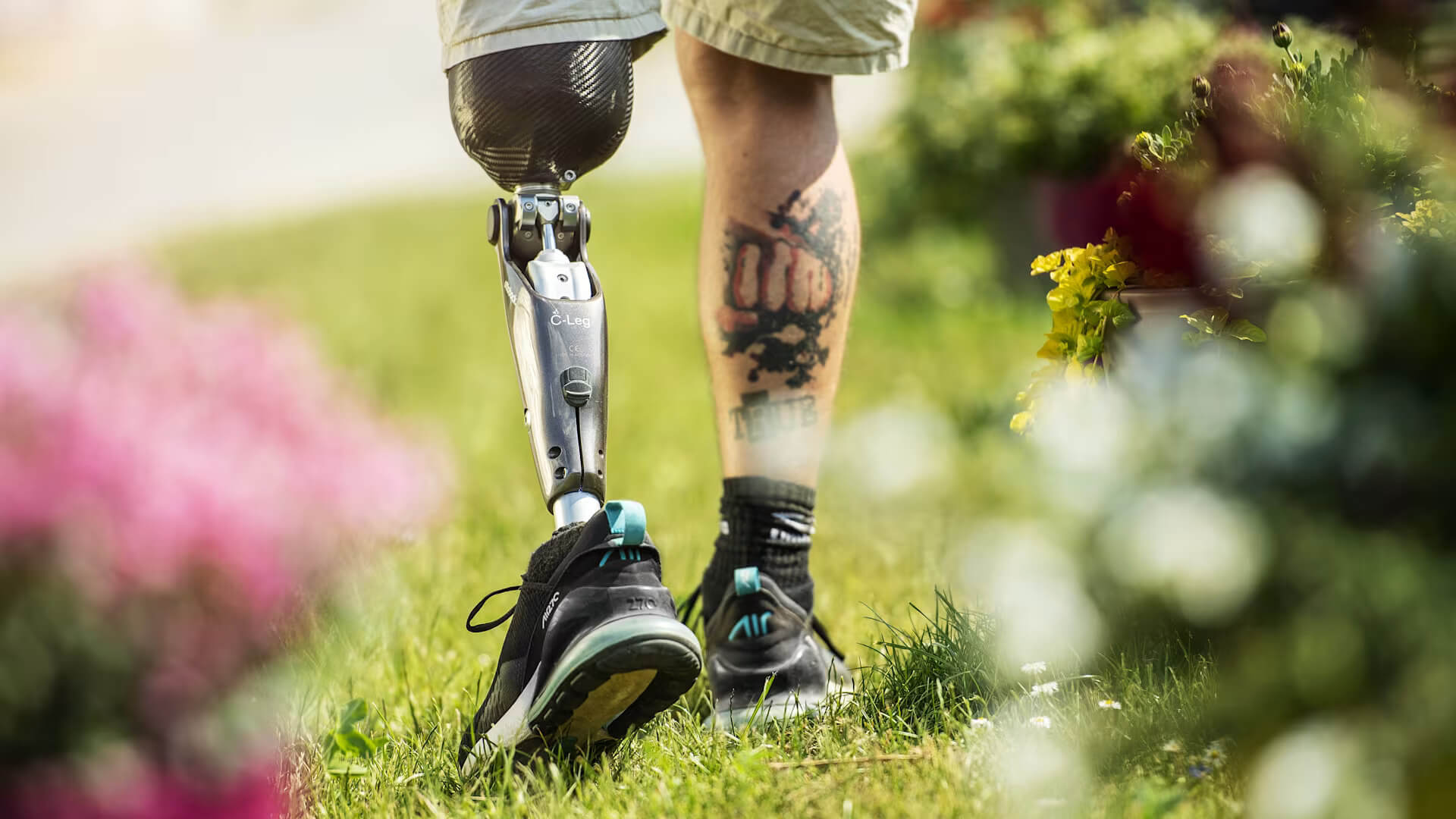
Lower limb orthotics are used to support, align, and protect existing feet, ankles, knees, and hips. Two of the most common types are Ankle-Foot Orthoses (AFOs) and Knee-Ankle-Foot Orthoses (KAFOs). Lower limb orthotics are generally used by people experiencing joint instability, muscle weakness, or mobility issues due to conditions like stroke, osteoarthritis, cerebral palsy, or traumatic injury.
Related Products in Orthotic's







Showing 1–16 of 18 results